
Make it Mullein
Out here on the coast, certain plants seem to show up right when we need them. Mullein is one of those quiet helpers — growing along gravel roads, field edges, and sunny hillsides, soft as deer’s ear and steady as an old friend. It’s a plant many of our ancestors relied on, and it still has a place in our homes today.
Mullein has long been used as a lung‑supporting herb. The leaves contain natural soothing compounds that help calm irritation in the throat and chest, and many people turn to mullein tea during cold, damp seasons when breathing feels a little heavier.
Herbalists often use mullein for:
Dry, persistent coughs
Throat scratchiness
Chest tightness
General respiratory comfort during seasonal shifts
There’s something grounding about a warm cup of mullein tea — it feels like a slow exhale after a long day.
Naturally Soothing and Comforting
Beyond the lungs, mullein has a reputation for easing inflammation. Traditionally, the leaves were warmed and applied to sore joints or irritated skin. It’s a gentle plant, not pushy or intense, which makes it a good fit for people who prefer subtle, steady support rather than strong herbal stimulation.
Many Indigenous communities, including tribes here in the Pacific Northwest, have used mullein in different forms including teas, poultices, and infused oils, to support the body through illness and seasonal changes. While each community has its own teachings, mullein consistently shows up as a plant that cares for the breath, the throat, and the quiet internal spaces we often overlook.
Simple Ways to Use Mullein
If you’re new to mullein, tea is the easiest place to start. The flavor is mild and earthy, and it pairs beautifully with honey. You can also find mullein as:
Tinctures
Capsules
Herbal smoking blends
Infused oils (often used for ear comfort)
Each year, here at our little micro-farm, we gather mullein at the seasons end. We dry it for tea, and tinctures- but we also grind it and roll it as an herbal smoking blend. It may go against all logical thinking that any smoke could help heal the lungs, but Mullein has been used medicinally by native people for hundreds of years to serve as natures aid in treating Sore Throats, Tonsillitis, Seasonal allergies, General respiratory irritation.
It’s not just legend or lore either. Modern herbal research notes that mullein contains mucilage, a naturally soothing compound that coats and calms irritated mucous membranes. It also contains saponins, which act as natural expectorants — helping loosen mucus so the body can clear it more easily.
Check out this video below on how to roll a Mullarette (yes, we made up that name), or drop us an email if you’d like us roll you some.
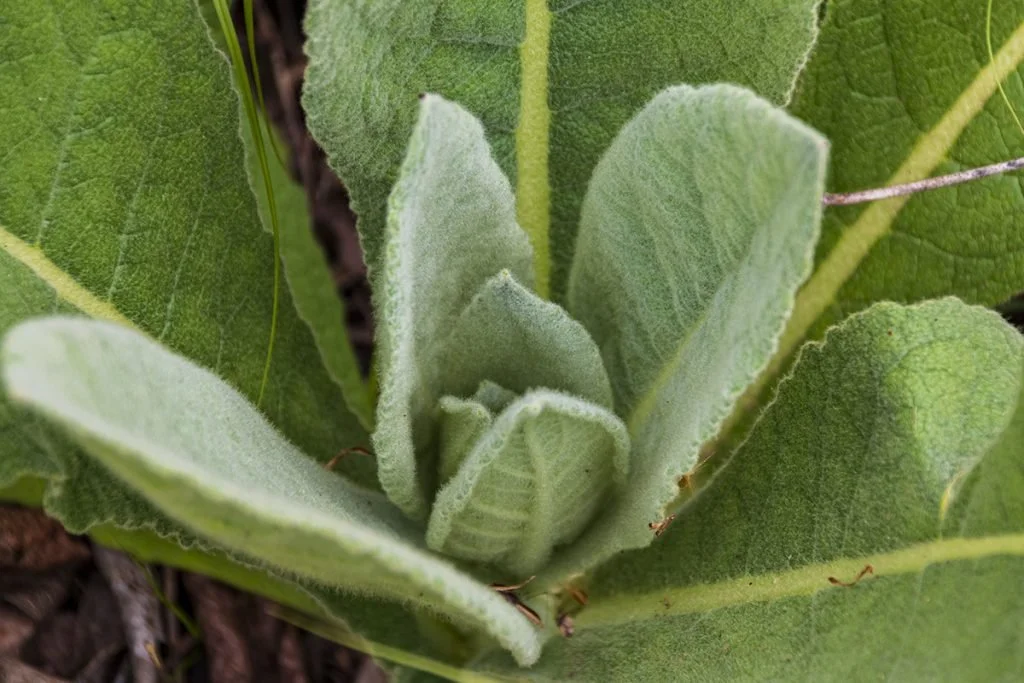
Mullein in the wild
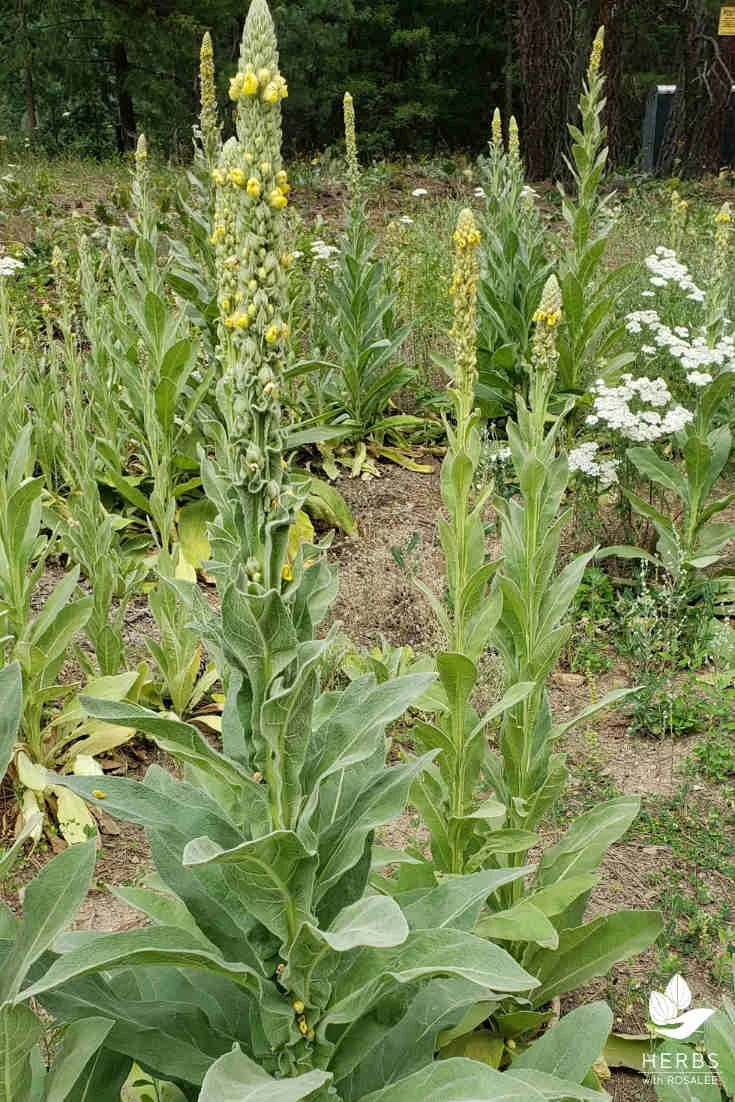
Mullein in bloom- 2 years old
Unlike tobacco or other common smoking herbs, mullein is non-addictive and has a mild, smooth smoke. Our Mullarettes have a nice toasted marshmallow smoke, with a hint of campfire.
Mullein is often used as a base herb in blends, helping to mellow stronger herbs including tobacco and cannabis.
What else can it do?
Ironically, mullein can also be a helpful ally for those looking to quit smoking tobacco. By substituting tobacco with a calming, non-addictive herb like Mullein, users can ease the habitual aspect of smoking while giving their lungs a break from nicotine and harmful additives.
Traditionally Mullein has been used as expectorant. It helps to loosen and expel mucus. Smoking small amounts can stimulate mild coughing, which helps clear out the lungs without being harsh or irritating.
So if you’re looking for a little help in your battle to quit smoking, and improve your lung health, look no further than natures friend Mullein.
